
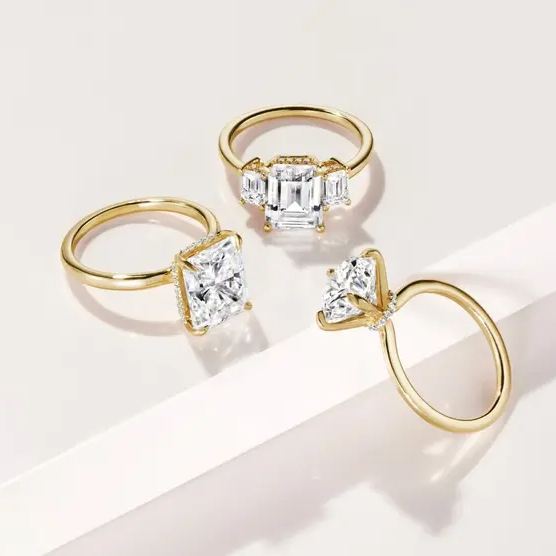

When it comes to choosing the perfect engagement ring, the diamond is undoubtedly the star of the show. But in recent years, a new contender has emerged in the world of fine jewelry: lab-grown diamonds. As couples become more conscious of their choices—both ethically and financially—the debate between lab diamonds and natural diamonds has heated up. So, which one is the ideal choice for your engagement ring? Let’s dive into the details and help you make an informed decision.
What’s the Difference Between Lab Diamonds and Natural Diamonds?
At their core, lab diamonds and natural diamonds are virtually identical. Both are made of carbon atoms arranged in a crystal structure, giving them their signature brilliance and hardness. The key difference lies in their origin:
- Natural Diamonds: Formed deep within the Earth’s mantle over billions of years, natural diamonds are mined from the earth. Their rarity and the extensive process required to extract them contribute to their high value.
- Lab Diamonds: Created in controlled laboratory environments using advanced technological processes (HPHT or CVD), lab diamonds replicate the natural conditions under which diamonds form. They are chemically, physically, and optically identical to natural diamonds but can be produced in a matter of weeks.
The Case for Lab Diamonds
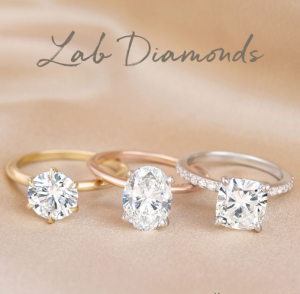
- Ethical and Sustainable Choice
Lab diamonds are often touted as the more ethical option. They eliminate concerns about “blood diamonds” or unethical mining practices. Additionally, lab-grown diamonds have a significantly lower environmental impact, requiring less energy and water compared to traditional mining. - Affordability
One of the biggest draws of lab diamonds is their price. On average, lab-grown diamonds cost 30-50% less than natural diamonds of comparable size and quality. This means you can get a larger or higher-quality stone for the same budget. - Quality and Variety
Lab diamonds are available in a wide range of colors, cuts, and clarities. Because they are created in controlled environments, they often have fewer inclusions and imperfections than natural diamonds. - Transparency
Many lab diamond retailers provide detailed information about the diamond’s origin and creation process, offering peace of mind to consumers who value transparency.
The Case for Natural Diamonds
- Timelessness and Tradition

Natural diamonds have been the symbol of love and commitment for centuries. Their rarity and the romantic notion of a stone formed over billions of years add to their allure. - Investment Value
While diamonds are not typically considered liquid assets, natural diamonds tend to retain their value better than lab-grown diamonds. Their scarcity ensures that they remain a coveted commodity. - Unique Characteristics
Each natural diamond is unique, with its own set of inclusions and imperfections that tell a story. For some, these “flaws” add to the stone’s charm and individuality. - Emotional Significance
For many, the idea of a natural diamond—formed under the Earth’s surface over millennia—carries a deeper emotional and symbolic weight.
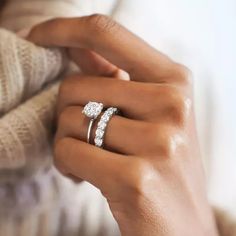
The Heat of the Debate: What’s Trending?
The lab-grown diamond market is booming, with sales increasing by over 20% annually. Millennials and Gen Z, in particular, are driving this trend, prioritizing sustainability and ethical sourcing over tradition. Celebrities like Emma Watson and Leonardo DiCaprio have also endorsed lab diamonds, further boosting their popularity.
On the other hand, natural diamonds continue to hold their ground, especially among those who value tradition and the mystique of a naturally formed gem. High-profile engagements featuring natural diamonds (think: Meghan Markle’s stunning trilogy ring) keep them in the spotlight.
Which is Right for You?
Ultimately, the choice between a lab diamond and a natural diamond comes down to your personal values, budget, and preferences. Here are a few questions to consider:
- Do you prioritize sustainability and ethics? If so, a lab diamond might be the better choice.
- Is tradition and rarity important to you? A natural diamond could be the way to go.
- Are you working with a specific budget? Lab diamonds offer more bang for your buck.
- Do you plan to resell or pass down the ring? Natural diamonds may hold their value better over time.
The Verdict: There’s No Wrong Choice
Whether you choose a lab diamond or a natural diamond, both options offer their own unique benefits. What matters most is the love and commitment the ring symbolizes. As the jewelry industry evolves, one thing is clear: the future of diamonds is shining bright, with room for both lab-grown and natural stones to coexist.
So, which will it be for your engagement ring? Share your thoughts in the comments below—we’d love to hear your take on this sparkling debate!
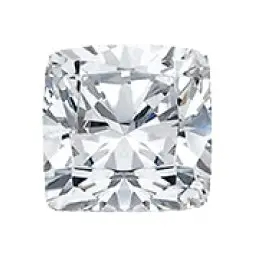
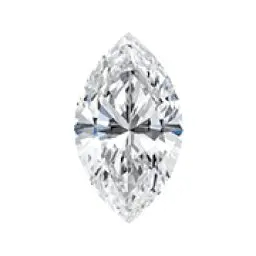
Pro Tip: Whichever you choose, make sure to buy from a reputable jeweler who provides certification (GIA, IGI, or AGS) to ensure the quality and authenticity of your diamond. Happy ring shopping! 💍✨